
Moments For You
Moments For You is the feature publication of Moments With The Book. Published quarterly, this magazine delivers doctrinally sound, fundamental reading encircling a common theme.
Moments For You is sent free upon request. Quantities are available to meet an expressed need as the Lord provides. If you would like to receive Moments For You, fill out our short request form with your name and mailing address.
Printed copies of the most recent 1-2 issues are usually available. If you are interested in receiving them, contact us to make your request. Be sure to include your mailing address and specify the quantity and which issue(s) you would like to receive.
There are twenty years of back issues available online for reading and sharing. Each issue provides a wealth of information, resource for meditation, and help for spiritual growth. Select an issue from the list below to view its articles.
Search MFY

1st Qtr
Theme: The World

2nd Qtr
Theme: Freedom

1st Qtr
Theme: David

2nd Qtr
Theme: Prayer

3rd Qtr
Theme: Building

4th Qtr
Theme: Calling

1st Qtr
Theme: Forgiveness

2nd Qtr
Theme: Friends

3rd Qtr
Theme: Promises

4th Qtr
Theme: Nativity Scenes
1st Qtr
Theme: God's Armor

2nd Qtr
Theme: Noah

3rd Qtr
Theme: Hope

4th Qtr
Theme: Peace

1st Qtr
Theme: Blessed
2nd Qtr
Theme: Joshua
3rd Qtr
Theme: Truth

4th Qtr
Theme: Angels

1st Qtr
Theme: Unity

2nd Qtr
Theme: The Great Commission

3rd Qtr
Theme: Serving

4th Qtr
Theme: Finish Well

1st Qtr
Theme: The Word

2nd Qtr
Theme: Compassion

3rd Qtr
Theme: Testimony

4th Qtr
Theme: Gifts

1st Qtr
Theme: Rest

2nd Qtr
Theme: Zacchaeus
3rd Qtr
Theme: Sanctification

4th Qtr
Theme: I Am the Way

1st Qtr
Theme: Worry/Anxiety
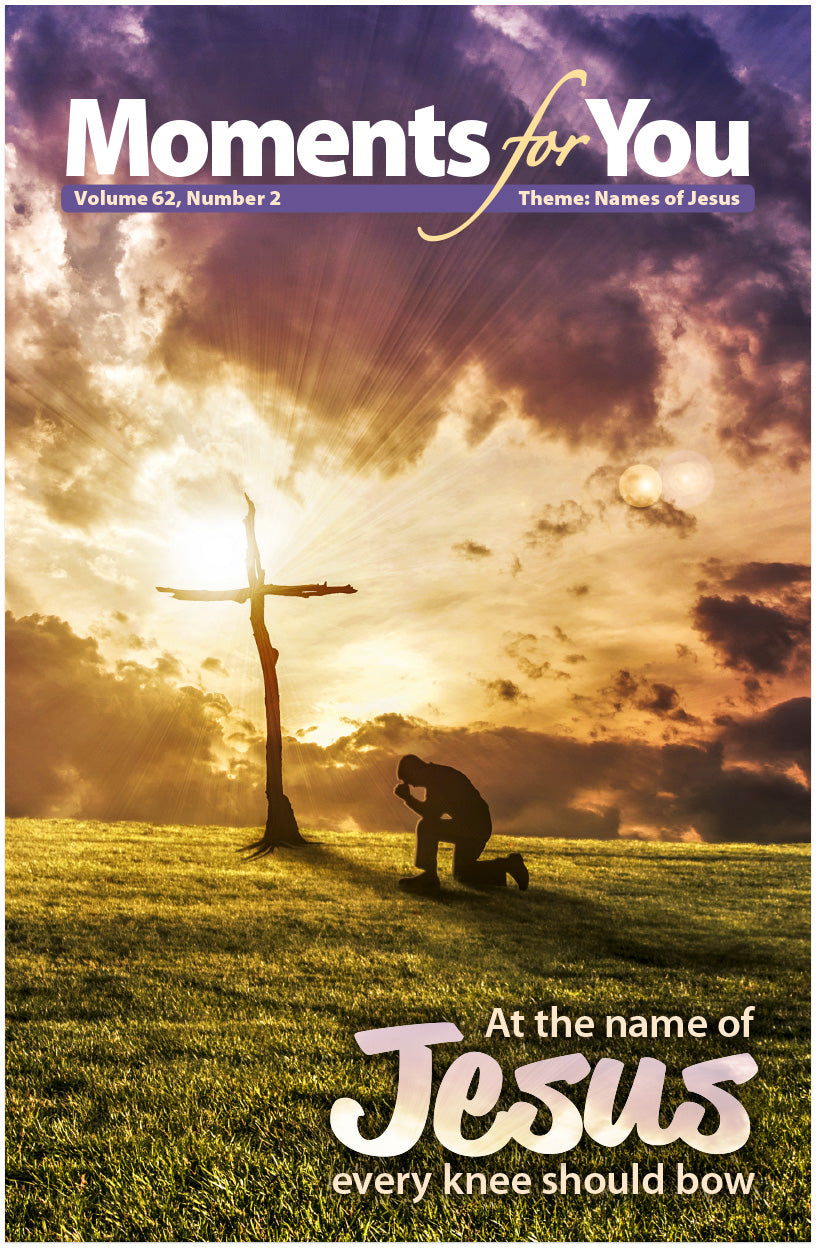
2nd Qtr
Theme: Names of Jesus
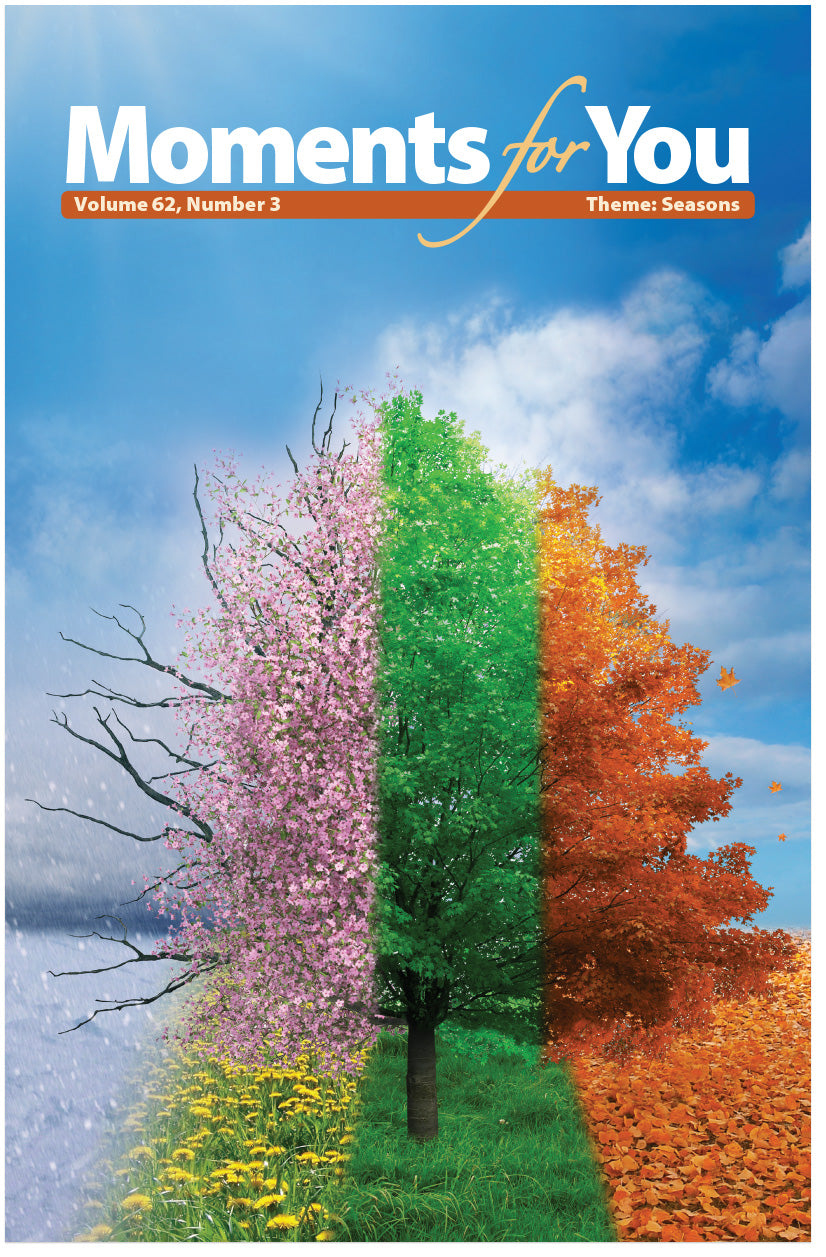
3rd Qtr
Theme: Seasons
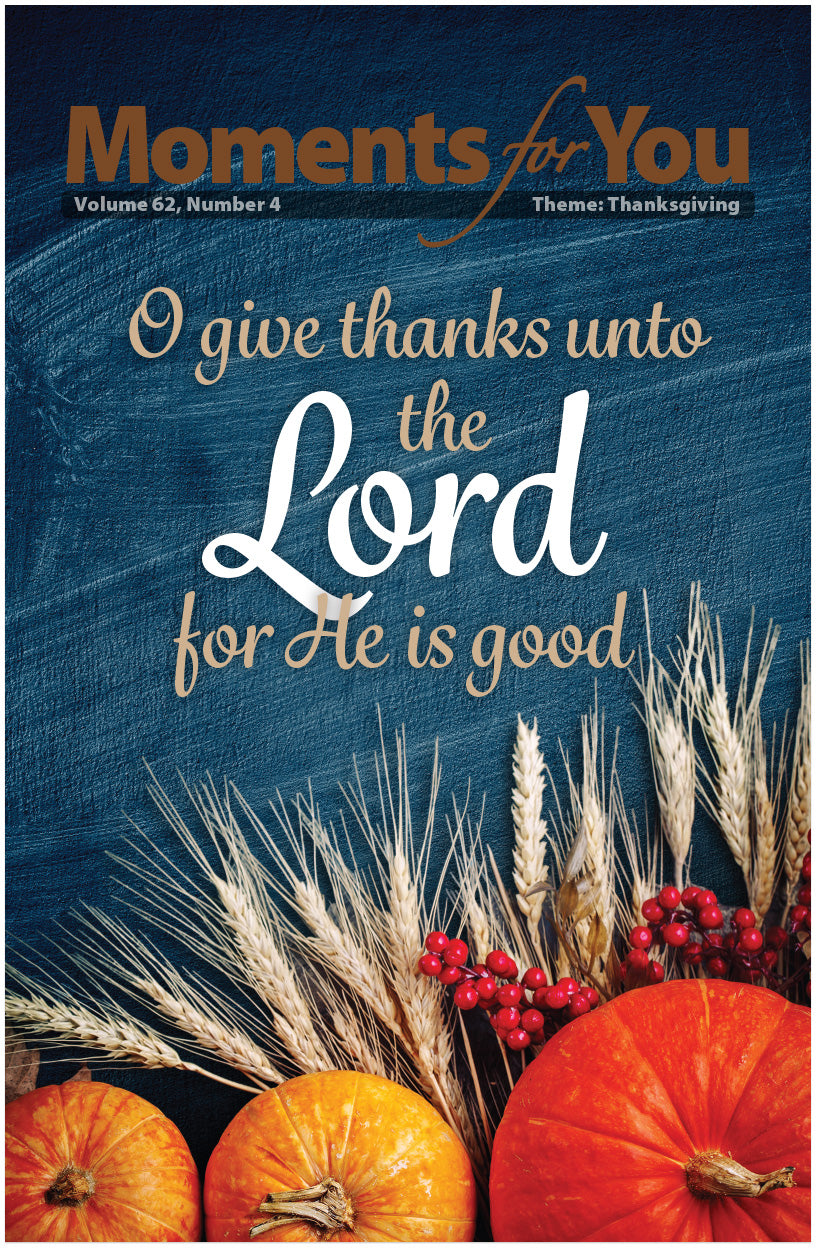
4th Qtr
Theme: Thanksgiving

1st Qtr
Theme: The Apostle Paul
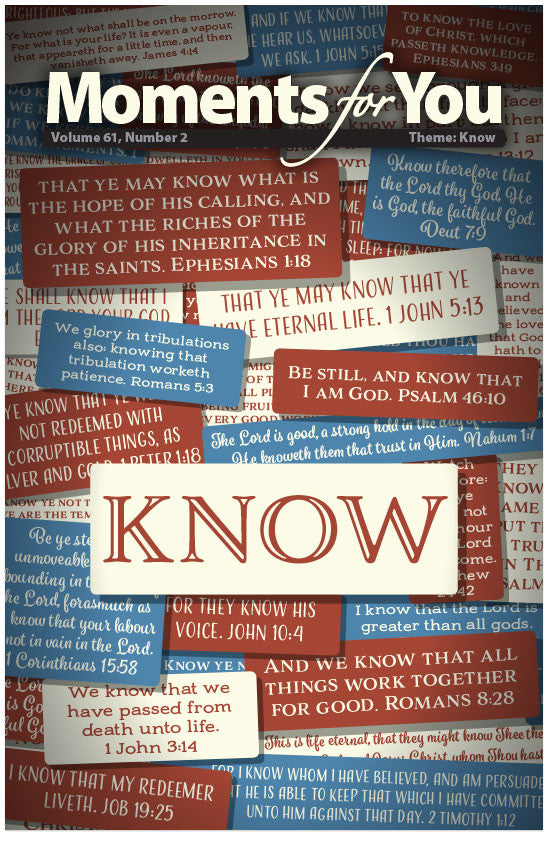
2nd Qtr
Theme: Know

3rd Qtr
Theme: Joy
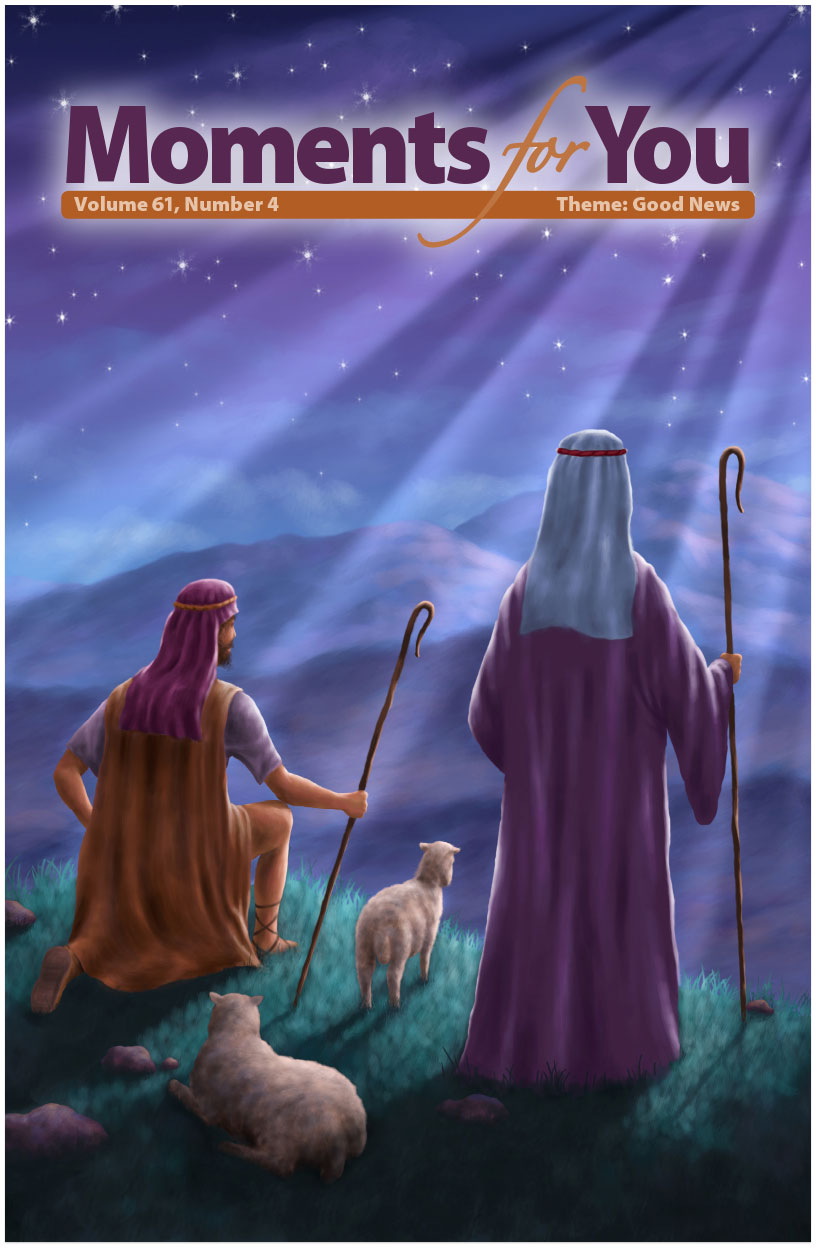
4th Qtr
Theme: Good News

1st Qtr
Theme: Worship

2nd Qtr
Theme: Clean

3rd Qtr
Theme: Liberty

4th Qtr
Theme: Humility

1st Qtr
Theme: Be A Doer

2nd Qtr
Theme: David

3rd Qtr
Theme: Remember
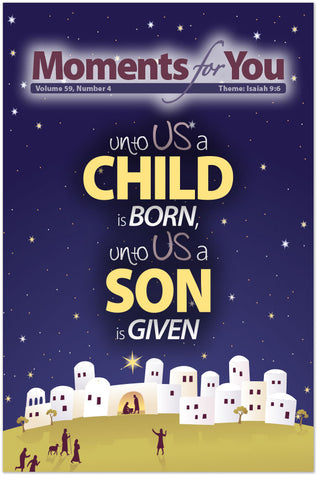
4th Qtr
Theme: Isaiah 9:6

1st Qtr
Theme: God is Love

2nd Qtr
Theme: Peter
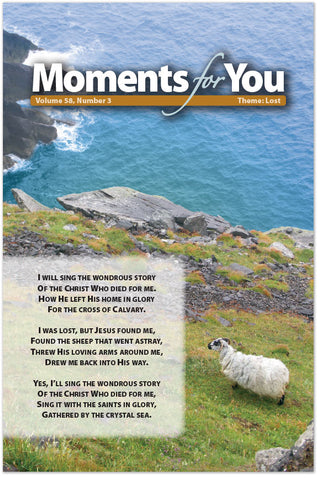
3rd Qtr
Theme: Lost

4th Qtr
Theme: The Mediator

1st Qtr
Theme: Prayer
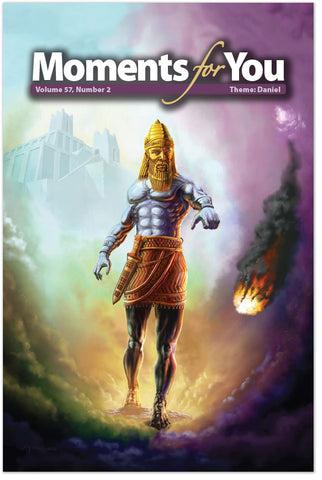
2nd Qtr
Theme: Daniel

3rd Qtr
Theme: Hope

4th Qtr
Theme: Who Is Jesus

1st Qtr
Theme: Repentance
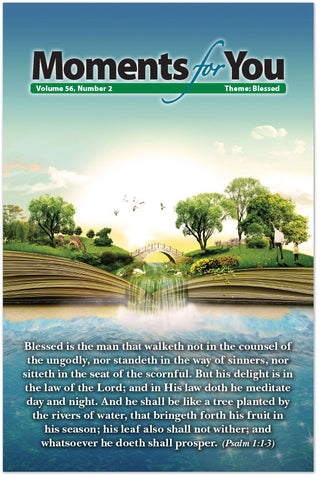
2nd Qtr
Theme: Blessed

3rd Qtr
Theme: Thirst

4th Qtr
Theme: Peace
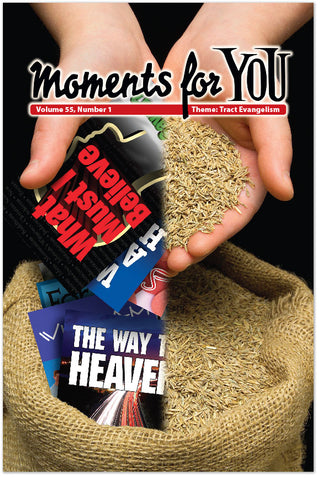
1st Qtr
Theme: Tract Evangelism
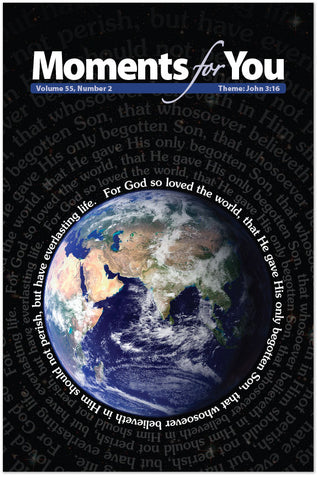
2nd Qtr
Theme: John 3:16

3rd Qtr
Theme: Parables
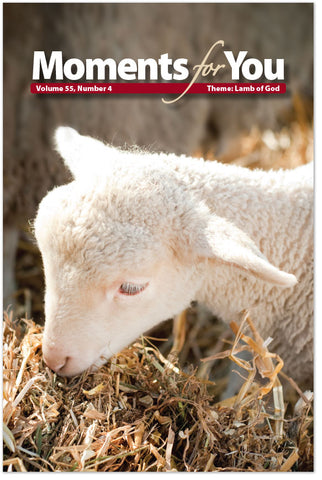
4th Qtr
Theme: Lamb of God
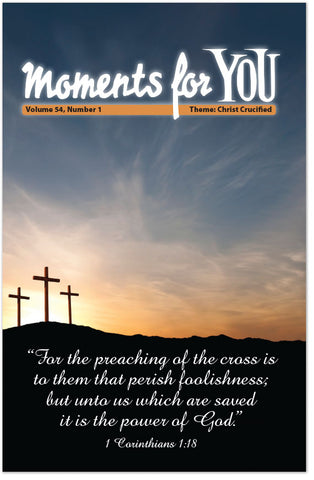
1st Qtr
Theme: Christ Crucified

2nd Qtr
Theme: Esther

3rd Qtr
Theme: Will of God

4th Qtr
Theme: Miracles of Christ
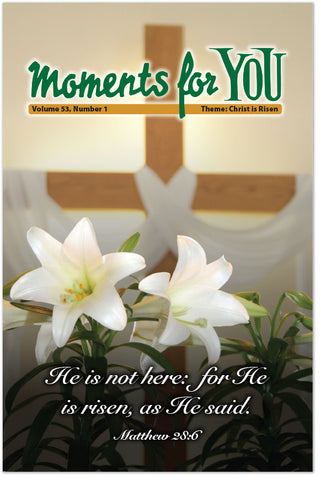
1st Qtr
Theme: Christ is Risen

2nd Qtr
Theme: Jonah

3rd Qtr
Theme: Persecution
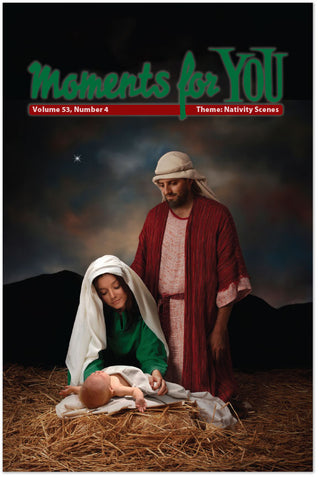
4th Qtr
Theme: Nativity Scenes
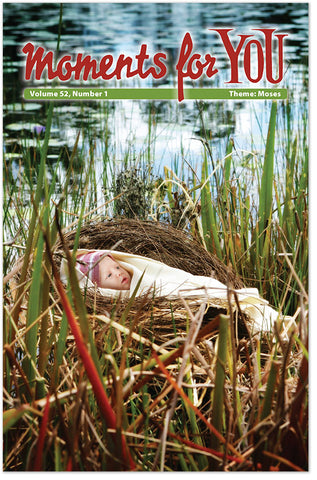
1st Qtr
Theme: Moses
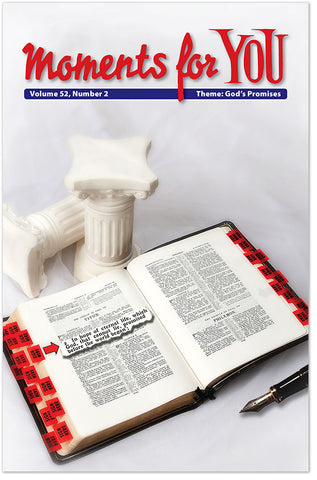
2nd Qtr
Theme: God's Promises

3rd Qtr
Theme: Two Natures

4th Qtr
Theme: Jesus the Saviour

1st Qtr
Theme: Eternity
2nd Qtr
Theme: Romans 8:28

3rd Qtr
Theme: Amazing Grace
4th Qtr
Theme: The Deity of Christ

1st Qtr
Theme: Fifty

2nd Qtr
Theme: Ruth

3rd Qtr
Theme: "If"
4th Qtr
Theme: Christ the King

1st Qtr
Theme: Choices

2nd Qtr
Theme: Obedience

3rd Qtr
Theme: Elijah & Elisha

4th Qtr
Theme: Suffering

1st Qtr
Theme: Psalm 23

2nd Qtr
Theme: Angels
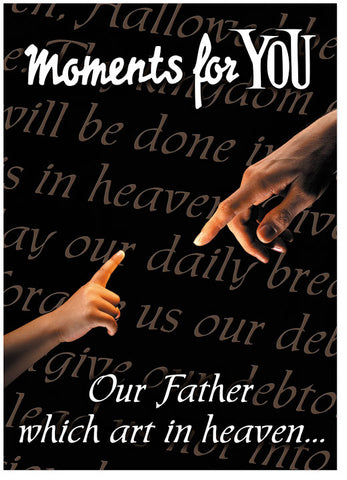
3rd Qtr
Theme: Lord’s Prayer

4th Qtr
Theme: Doors

1st Qtr
Theme: Time

2nd Qtr
Theme: Book of Life
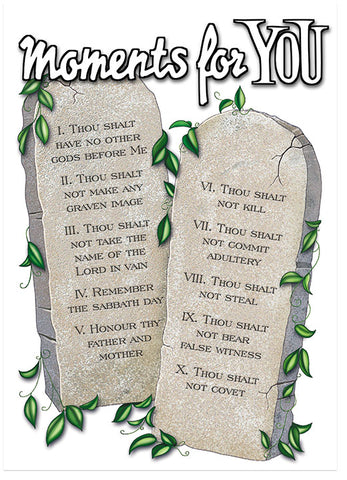
3rd Qtr
Theme: Ten Commandments

4th Qtr
Theme: Prince of Peace
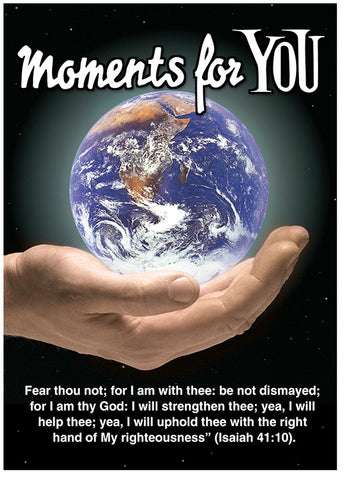
1st Qtr
Theme: Fear

2nd Qtr
Theme: Justification

3rd Qtr
Theme: Heart
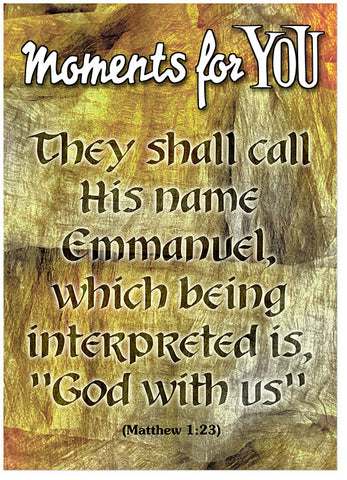
4th Qtr
Theme: Immanuel